Any seasoned pit boss knows craps dice control strategy is less about mystique and more about repeatable mechanics under pressure. On a busy shift, I’ve watched players rehearse throws on felt trays long before they risk a chip, and the difference between a loose grip and a disciplined set shows up in the rhythm of the table. The reality is that a controlled delivery still sits inside a game built on chance, so the edge story is narrow and the conditions matter. If you’re weighing whether the practice deserves your time, treat it like any other table skill: check the rules, understand the limits, and don’t confuse repetition with certainty.
What Dice Control Actually Means at the Table
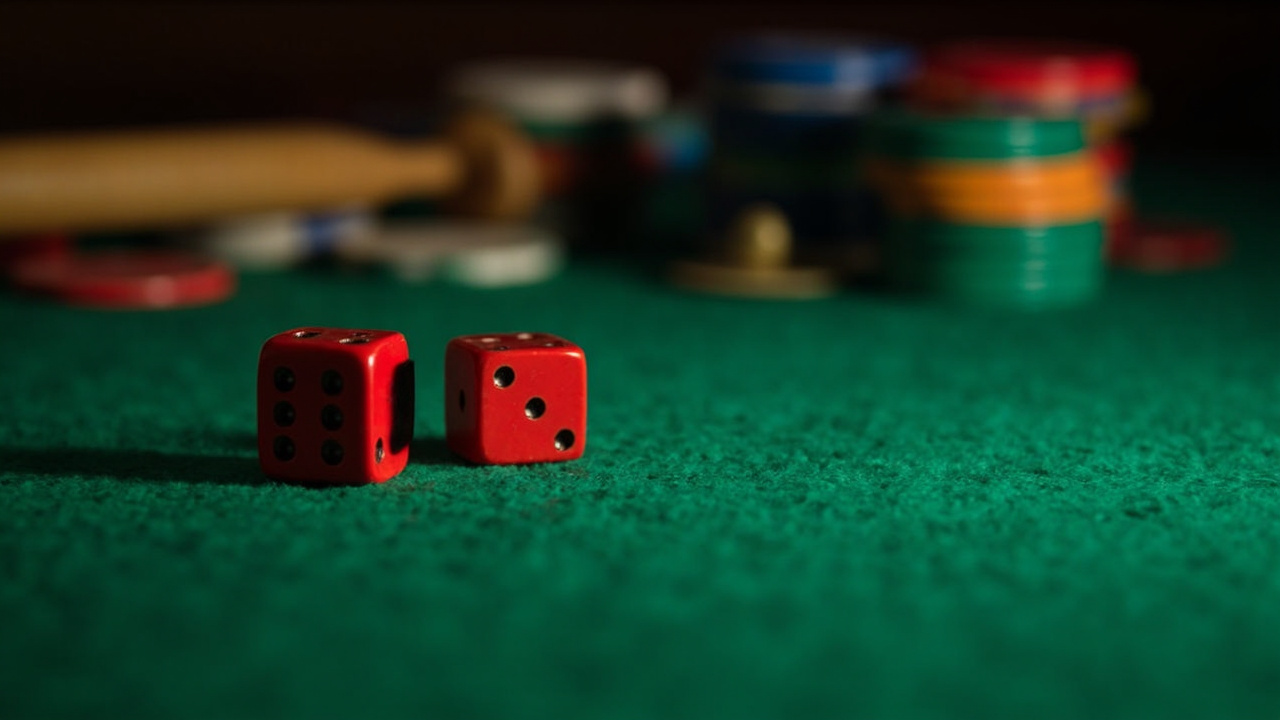
Dice control is the attempt to reduce randomness through grip, alignment, and a consistent throw, usually aiming for a soft landing that keeps the dice together through the bounce. In practice, that means setting a particular face combination, holding the dice level, and delivering them with a low, repeatable arc rather than a hard toss. The pitch matters too: a craps layout with a tight back wall and a predictable rubber return will reward a disciplined throw more than a worn surface that kicks the dice sideways. Even so, the house edge on pass and don’t pass lines stays intact, because the rules of resolution don’t change just because your delivery looks cleaner. I’ve compared this to managing a busy arvo on a Perth strip where a table turns over quickly and the crew has to keep pace without cutting corners - smooth execution helps, but it doesn’t rewrite the maths underneath.
How the Practice Fits Into Real Play
The mechanics you actually rehearse
Most operators who take the practice seriously start with a fixed set, often the hardways or a specific axis that keeps the dice paired through the flight. The grip should be light enough to release cleanly, with fingers resting rather than squeezing, and the throw itself is usually a push rather than a flick. A short practice routine on a flat surface can build muscle memory for the release point, but the casino table adds bounce, back-wall friction, and a dealer who calls the result before you’ve finished breathing. I’ve seen players spend an hour refining a soft toss only to find the live pace of a full table throws off their timing, which is why I treat the skill like a shift routine: repeatable under load, not perfect in a quiet room.
Where the limits show up
The first limit is structural: dice control doesn’t alter the built-in edge on the base bets, and the proposition wagers that tempt impatient players carry their own steep numbers. The second limit is environmental. Table speed, dealer rhythm, and the condition of the pitch all affect whether a practiced throw survives a real session, and none of those are under your control. The third limit is practical. Even a consistent delivery still produces random outcomes on each resolution, so a run of favourable results can flatten just as quickly as it builds. In the US, by contrast, gambling winnings are generally taxable income, which is a reminder that the downstream reality of any session - win, lose, or flat - has consequences beyond the felt.
How to approach it as a player
If you want to test the practice without pretending it’s a loophole, treat it as a disciplined habit rather than a promise. Here’s a simple way to work through it on a visit:
- Pick one set and one grip, then stick with them for a full session so you can read your own consistency.
- Practice the release on a smooth surface until the dice land softly and stay paired, then move to a low-stakes table to feel the pace.
- Watch the pitch and the back wall on your first few throws, because a worn surface or a hard return will tell you more than any rehearsal.
- Keep your stakes modest and your session short, since fatigue ruins grip and timing faster than any bad run.
- Track the results honestly, noting whether your delivery stays steady when the table gets busy rather than only when it’s quiet.
That approach keeps the practice grounded and gives you something measurable to judge, which is more useful than chasing a feeling.
Who This Actually Suits
Dice control tends to suit players who enjoy the craft of the throw and are willing to accept that the reward is a cleaner game, not a guaranteed outcome. It’s a better fit for someone who plays pass or don’t pass and likes the idea of reducing sloppy tosses than for a player hunting proposition bets with steep edges. If you’re the sort who values a steady routine and can stay composed when the table turns over quickly, the practice can make your sessions feel more deliberate. If you want a shortcut to better results, it won’t deliver that, and the disappointment usually shows up fast. I’d rather see a guest treat it like a skill drill and leave the bankroll discipline intact than watch someone confuse a neat delivery with an edge that isn’t there.
For visitors comparing options, it’s worth reading a measured breakdown of the local scene before you commit time to the practice, and you can check https://spinagoreview.com/aus for how the broader market is presented to Australian adults. When you’re weighing a session against other entertainment, remember that sports-betting apps use push notifications and live odds to drive engagement, which is a useful reminder that pace and prompts can pull you off your own routine if you’re not watching the clock.
The BAR symbol remains one of the most recognisable icons in slot design, and that kind of visual familiarity is a good reminder that casino games are built around clear, repeatable cues - craps included. Ethan Phillips, Gaming Technology Consultant, Nullarbor Gaming Analytics, has noted that “a controlled throw can improve consistency in delivery, but it doesn’t remove the randomness that defines each resolution,” which is the kind of caveat worth keeping in front of you when you’re deciding how much effort to put into the practice.
So, if you’ve put time into a set and a grip, what did the table actually teach you about your own consistency, and would you recommend the routine to a mate who’s keen to try it?
No Comments.